
Are you looking for an seo ai content generator that does more than just spin words? You're not alone. SEO teams and agencies are drowning in content demands, yet the pressure to rank higher never stops. The solution isn't writing faster; it's working smarter with AI that understands search intent, structure, and optimization. In this guide, you'll learn how to use AI to plan, generate, optimize, and publish content that earns traffic, all from one workflow.
The modern seo ai content generator isn't a magic button. It's a strategic tool that combines keyword research, content briefs, and automated publishing. When used correctly, it can cut production time by 70% while improving consistency. But you need the right approach, the right platform, and the right expectations. Let's break down what actually works in 2026.
Key Takeaways
- An seo ai content generator should cover planning, creation, optimization, and publishing, not just writing.
- AI-generated content still requires human oversight for quality, accuracy, and brand voice.
- Automation works best when paired with a clear content strategy and regular performance reviews.
- Tools like PassiveRanker integrate with search engines and CMS platforms to streamline the entire workflow.
- Measuring results is essential: track rankings, organic traffic, and conversions to refine your approach.
What Is an Seo Ai Content Generator?
An seo ai content generator is software that uses artificial intelligence to create content optimized for search engines. Unlike generic AI writers, these tools are built with SEO features: keyword analysis, SERP integration, readability checks, and even internal linking suggestions. They help you produce articles, product descriptions, and landing pages that have a higher chance of ranking.
But the best tools go beyond generation. They let you plan your content calendar, generate drafts, optimize them for specific keywords, and push the final version to your website automatically. This end-to-end approach is what separates a true content generator from a simple chatbot.
For example, PassiveRanker offers a unified workflow: you input a topic or keyword, the AI researches and outlines the content, you review and edit, and then it publishes to your WordPress or other CMS. This saves hours of manual work and reduces the friction between ideation and publication.
How It Differs From Traditional AI Writers
Traditional AI writers focus on producing text. They might give you a draft, but you still need to handle keyword placement, meta descriptions, and image alt text yourself. An seo ai content generator, on the other hand, automates these SEO elements. It can suggest title tags, meta descriptions, and even generate schema markup.
Another difference is data integration. Many SEO-focused tools pull real-time search data from platforms like Google Search Console or Ahrefs. This means the content is based on actual search demand, not just your guess. This data-driven approach leads to content that targets the right queries with the right intent.
Why You Need an Seo Ai Content Generator in 2026
Search engines are getting smarter. Google's algorithms now prioritize helpful, well-structured content that answers user questions. At the same time, the volume of content online is exploding. To stay visible, you need to produce more content, faster, without sacrificing quality. That's where AI comes in.
An seo ai content generator helps you scale your content efforts. Instead of spending days on a single article, you can produce several in a day. This is crucial for agencies managing multiple clients or businesses that want to cover more topics in their niche.
Moreover, AI can help you maintain consistency. When you have a brand voice and guidelines, the AI can apply them across all content. This ensures that your blog posts, product pages, and social posts all sound like you, which builds trust with your audience.
Finally, automation reduces the risk of human error. Forgetting to add alt text or missing a keyword placement can hurt your SEO. An AI generator takes care of these details, so you can focus on strategy and creativity.
Real-World Example: Scaling a Niche Blog
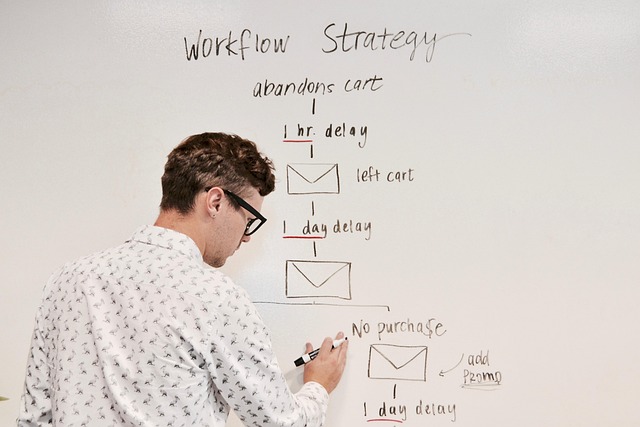
Imagine you run a blog about sustainable gardening. You have hundreds of potential topics, but only a few hours each week to write. With an seo ai content generator, you can input a list of keywords, and the tool will generate draft articles for each one. You then review, edit, and schedule them for publication. Over a few months, you can grow your content library from 20 posts to 200, significantly increasing your organic reach.
This is not hypothetical. Many successful niche sites use AI to scale their content production while maintaining a human touch. The key is to use AI as an assistant, not a replacement for your expertise.
How to Choose the Right Seo Ai Content Generator
Not all AI content tools are created equal. Here are the features you should look for:
- Integration with SEO tools: The tool should connect with Google Search Console, Ahrefs, or SEMrush to pull keyword data.
- Content planning: It should help you organize topics into a calendar and suggest content clusters.
- Optimization features: Real-time SEO scoring, readability analysis, and keyword density checks are essential.
- Publishing capabilities: Direct integration with your CMS (like WordPress) saves time.
- Customization: The ability to set tone, voice, and industry-specific terminology.
- Review workflow: A system for human editing and approval before publishing.
PassiveRanker checks all these boxes. It offers a single dashboard where you can plan, generate, optimize, and publish. This is especially valuable for teams that want to streamline their operations without juggling multiple tools.
Understanding the Role of Human Oversight
Even the best AI needs human review. You should always read the generated content for accuracy, tone, and factual correctness. AI can make mistakes, especially with complex topics or recent events. Your expertise ensures the content is trustworthy and aligns with your brand.
Think of AI as your junior writer. It can produce a draft quickly, but you are the editor who polishes it and ensures it meets your standards. This collaboration is the most effective way to use an seo ai content generator.
Best Practices for Using an Seo Ai Content Generator
To get the most out of your tool, follow these tips:
- Start with a solid keyword strategy: Use tools like Google Keyword Planner or Ahrefs to find relevant keywords with reasonable search volume and low competition.
- Provide clear instructions: Give the AI a detailed brief, including target audience, tone, and key points to cover.
- Review and edit: Always read the output and make necessary changes. Add your personal insights and examples.
- Optimize for featured snippets: Structure your content with clear headings, bullet points, and concise answers to common questions.
- Monitor performance: Use analytics to see which articles are ranking and driving traffic. Adjust your strategy accordingly.
- Keep content fresh: Update old posts with new information to maintain their relevance.
These practices ensure that your AI-generated content performs well in search engines and provides value to your readers.
How PassiveRanker Streamlines Your Workflow
PassiveRanker is designed to be your all-in-one solution. Here's how it works:
Plan: You start by defining your content strategy. The tool helps you identify topic clusters and keyword opportunities based on your niche.
Generate: The AI creates a full draft based on your inputs, including headings, body text, and internal links.
Optimize: The built-in SEO checker analyzes your content and suggests improvements for keyword usage, readability, and meta tags.
Publish: With one click, you can send the content to your WordPress site, complete with featured image and metadata.
This workflow saves you time and ensures that every piece of content is optimized for search engines. It's like having a content team in your pocket.
Case Study: Agency Success with Automation
A digital marketing agency with 10 clients used PassiveRanker to manage their content production. They were able to double their output without hiring more writers. By automating the repetitive parts, they freed up time for strategy and client communication. Their clients saw an average 30% increase in organic traffic within six months.
Common Mistakes to Avoid
Even with the best tool, you can make mistakes that hurt your SEO. Here are some to avoid:
- Publishing without editing: AI content can have errors. Always review.
- Ignoring user intent: Ensure your content matches what searchers want, not just keywords.
- Over-optimizing: Keyword stuffing will get you penalized. Use keywords naturally.
- Neglecting updates: Old content can become outdated. Refresh it regularly.
- Not measuring results: If you don't track performance, you can't improve.
Avoiding these pitfalls will help you get the most from your seo ai content generator.
Frequently Asked Questions
Is AI-generated content bad for SEO?
No, AI-generated content is not inherently bad for SEO. Search engines care about quality and relevance. If the content is well-written, informative, and matches user intent, it can rank. The key is to use AI as a tool and always review and enhance the output with human expertise.
Can an seo ai content generator replace human writers?
It can replace some tasks, but not the creativity and strategic thinking of human writers. AI excels at producing drafts and handling repetitive content, but humans are needed for nuance, storytelling, and building connections. The best approach is a collaboration.
How much does an seo ai content generator cost?
Prices vary widely. Some tools offer free tiers with limited features, while premium platforms like PassiveRanker can cost $50 to $200 per month, depending on usage. The investment often pays off in time saved and increased organic traffic.
What features should I look for in an AI content tool?
Look for keyword research, content planning, optimization, and publishing integrations. The tool should also allow you to set brand voice and offer a review workflow. A free trial is a great way to test if it fits your needs.
How do I ensure AI content is accurate?
Always fact-check the information, especially for topics with recent developments. Use authoritative sources and your own expertise. AI is a starting point, not the final word.
Will Google penalize me for using AI content?
Google's guidelines focus on content quality, not how it's produced. As long as your content is helpful and follows E-E-A-T principles, you won't be penalized. However, low-quality, spammy AI content can be flagged.
Can AI help with content for voice search?
Yes. AI can help you create content that answers questions directly and uses natural language, which is key for voice search optimization. Use question-based headings and concise answers.


